Page is a small town of a few thousand people perched on a mesa in the far north of Arizona — and it happens to be the gateway to some of the most photographed landscapes on Earth. Antelope Canyon, Horseshoe Bend, Lake Powell and Glen Canyon Dam all sit within a short drive of its center.
Most visitors treat Page as a one-night stopover. That works, but the town rewards a second night more than people expect.
This guide covers how to get here, where to stay, what there is to do beyond the headline sights, and how long to give it. One planning note before anything else: the Antelope Canyon tour is the only genuinely fixed element of a Page trip, so it is the booking to lock in first and build everything else around.
Why Page Exists
Page is one of the youngest towns in America. It was built from nothing in 1957 as a construction camp to house workers building Glen Canyon Dam, on land acquired from the Navajo Nation. It wasn't incorporated as a town until 1975.
That origin explains the layout: a planned grid on a mesa top, wide streets, and a compact commercial strip rather than a historic center. Page isn't picturesque in the way Sedona or Flagstaff are. It's a practical, friendly base camp — and its position is extraordinary.
Getting to Page
By car is how nearly everyone arrives. Approximate drive times:
| From | Drive time |
|---|---|
| Flagstaff | ~2 hours |
| Sedona | ~2.5–3 hours |
| Grand Canyon South Rim | ~2.5–3 hours |
| Monument Valley | ~2 hours |
| Las Vegas | ~4.5–5 hours |
| Phoenix | ~4.5–5 hours |
| Zion National Park | ~2 hours |
Full route details are in our guides to reaching Antelope Canyon from Las Vegas and from Sedona, Flagstaff & Phoenix.
By air, Page Municipal Airport (PGA) sits about three miles from town but handles only limited regional service. The overwhelming majority of visitors fly into Las Vegas or Phoenix and drive.
Other Experiences You Might Enjoy
Almost everything worth booking around Page starts within twenty minutes of town. That means the light beams of Upper Antelope Canyon, the ladder descent into Lower Antelope Canyon, the 4×4 run into Secret Antelope Canyon paired with the Horseshoe Bend overlook, and small-group photo boats out on Lake Powell beneath Glen Canyon Dam. If you're driving in for the day instead of staying over, full-day trips from Las Vegas and Sedona bundle several of these stops into one reservation. Browse live options below.
Where to Stay
For a town this size, Page has a solid range of accommodation — roughly twenty hotels and motels plus a healthy supply of vacation rentals. It's geared entirely around visitors.
Hotels and motels. The familiar mid-range chains are all represented, clustered mostly along and around Lake Powell Boulevard, the main commercial strip. Staying in this area means you can walk to restaurants rather than driving to dinner after a long day.
Vacation rentals. Widely available and often better value for families or groups needing space and a kitchen.
Camping and lakeside options. There's a campground near Lake Powell, plus RV facilities, for those wanting to be on the water rather than in town.
Book ahead. Page is small and demand is high in peak season (roughly spring through autumn). Rooms fill and prices climb, particularly in summer.
The Headline Attractions
Four sights account for most of the traffic through Page, and they sit close enough together that a well-planned two-day stay covers all of them without rushing.
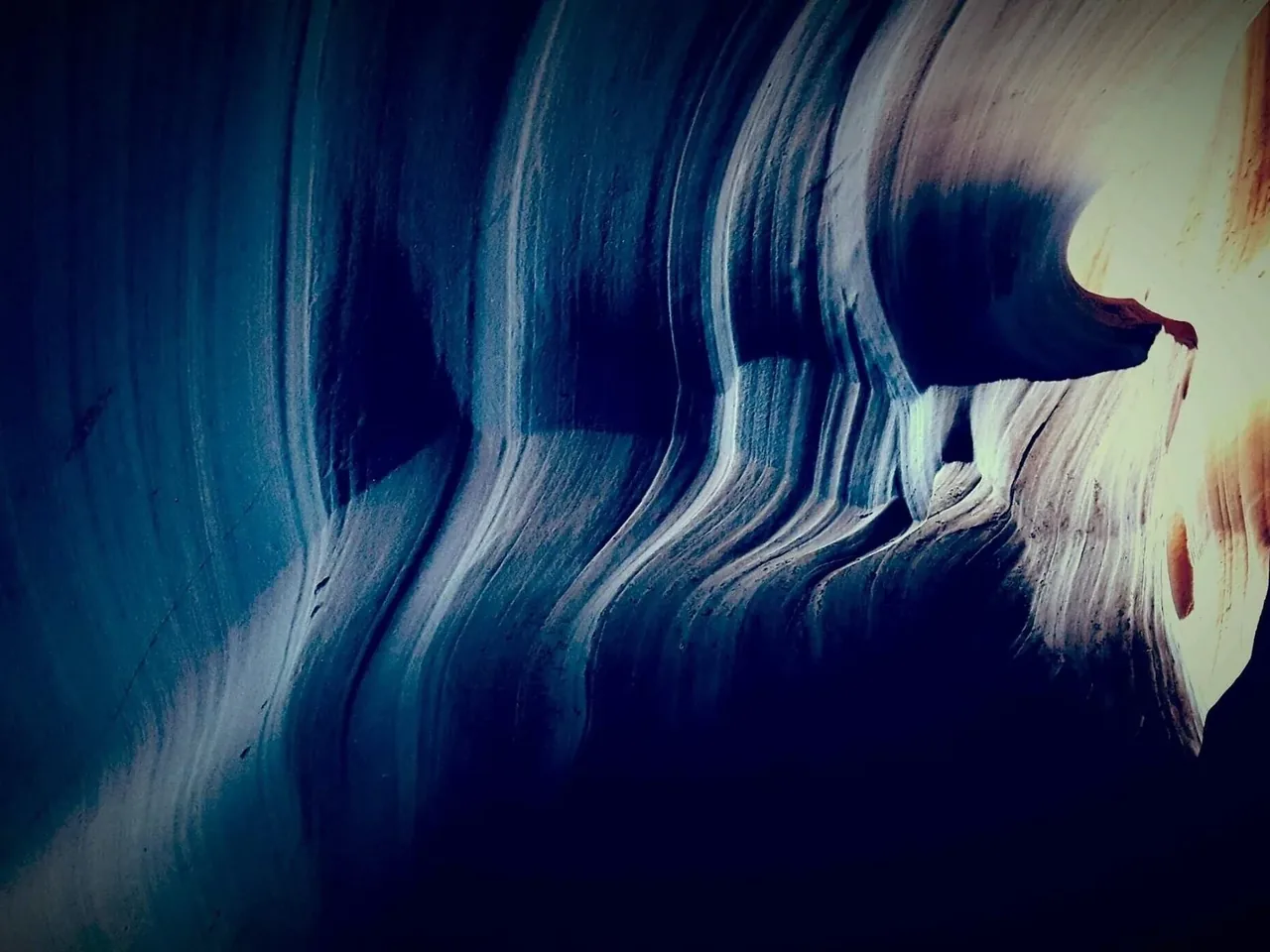
Antelope Canyon. The reason most people come. A slot canyon of extraordinary sculpted sandstone about ten minutes from town, accessible only on a guided tour with an authorized Navajo operator — there's no self-guided option. Upper Antelope Canyon delivers the famous light beams (midday, roughly late March to early October); Lower Antelope Canyon is entered by ladders and costs less — the Lower Antelope Canyon entry and Navajo guided tour runs 4.9★ from 6,700+ reviews. Book either well ahead. Start with our Upper Antelope Canyon tours guide or compare both in Upper vs Lower.
Horseshoe Bend. Five miles south of town, where the Colorado River makes a near-perfect 270-degree turn a thousand feet below the rim. No tour or reservation needed — just a City of Page parking fee and a 1.5-mile round-trip walk. Allow 60–90 minutes. See our Horseshoe Bend guide.
Lake Powell. An immense reservoir stretching over 180 miles with something approaching 1,900 miles of shoreline, wrapping around red rock canyons and buttes. Boat tours, kayaking, paddleboarding and swimming are all on offer from the marinas near Page. Our Lake Powell & Glen Canyon boat tours guide covers the options — including which cruises are currently suspended by low water.
Glen Canyon Dam & Carl Hayden Visitor Center. The dam that created Lake Powell and the reason Page exists, right on the edge of town. The Carl Hayden Visitor Center offers free admission, exhibits and dramatic views over the gorge and bridge. Guided dam tours run through the visitor center — expect airport-style security screening, with bags generally not permitted.
Beyond the Big Four
Two nights lets you get past the obvious.
Other slot canyons. Antelope Canyon isn't the only one. Canyon X, Waterholes Canyon, Secret Canyon, Owl and Rattlesnake are all in the area, all on Navajo land and all requiring authorized guides. They're quieter and often cheaper, and some still permit tripods — a real draw for photographers, as covered in our photography tours guide.
Kayaking and paddleboarding. Launching from the marinas, you can paddle into side canyons that boats can't easily reach — an increasingly popular way to see the lake up close.
Hiking. The Rimview Trail loops around the mesa Page sits on, and the Hanging Garden trail near the dam is a short, easy walk to a surprising desert spring.
Stargazing. Very dark skies and dry desert air make for exceptional night skies just outside town.
Understanding the Fees
Page sits at the intersection of three different land jurisdictions, which confuses almost every first-time visitor. Getting this straight saves frustration:
Antelope Canyon is on Navajo Nation land — a tribal permit fee applies per person, and a guided tour is mandatory. Federal park passes do not work.
Horseshoe Bend's parking lot is City of Page land — a municipal parking fee applies. Federal park passes do not work here either.
Lake Powell and Glen Canyon fall under Glen Canyon National Recreation Area, a federal site — the standard national park entrance fee applies per vehicle, and America the Beautiful passes are accepted. Note that the park operates cashless.
In short: your National Park pass is useful at Glen Canyon and useless at the other two.
How Long to Stay
One night covers the essentials — an Antelope Canyon tour and Horseshoe Bend — but it's tight, and you'll be timing everything around your canyon slot.
Two nights is the sweet spot. You can book the canyon slot you actually want, see Horseshoe Bend at sunset, add Lake Powell or Glen Canyon Dam, and not feel rushed.
Three nights or more allows a second slot canyon, a proper day on the water, some hiking, and a day trip to Monument Valley or the Grand Canyon's eastern rim.
Page as a Grand Circle Base
Page sits near the middle of the "Grand Circle" — the cluster of national parks and monuments spanning northern Arizona and southern Utah. Within two to three hours you can reach the Grand Canyon, Monument Valley, Zion, and Bryce Canyon.
That makes it a natural stop on a larger road trip rather than a destination you fly in and out of. Our Grand Canyon, Antelope Canyon & Horseshoe Bend itinerary guide sets out routes that link them.
Practical Tips
Book Antelope Canyon before anything else. It's the only fixed element of a Page trip and the first thing to sell out.
Mind the time zone. Arizona doesn't observe daylight saving, but the Navajo Nation does — and Antelope Canyon is on Navajo land while your operator's office is in Page. Confirm which time your booking uses.
Fuel up. Page is the last substantial services stop in several directions.
Bring water everywhere. This is high desert, exposed and dry, and summer heat is serious.
Eat early. Restaurant options are limited and kitchens close earlier than you might expect.
Don't drive at night if you can avoid it — wildlife on unlit highways is a genuine risk.