If you've read older blog posts or watched YouTube videos from a few years back, you've probably seen references to dedicated photography tours in Upper Antelope Canyon — smaller groups, tripods allowed, extra time in the canyon, guides clearing tourists out of frame. Photographers still search for these constantly.
Here's the reality: those tours no longer exist in Upper Antelope Canyon. Dedicated photography tours were discontinued, and tripods, monopods, and selfie sticks are no longer permitted inside. What's left is a standard sightseeing tour where you shoot handheld — and a handful of genuinely good alternatives elsewhere if a tripod is non-negotiable.
This guide explains what changed, what you can realistically book now, and how to come away with excellent images anyway.
Worth Adding to Your Itinerary
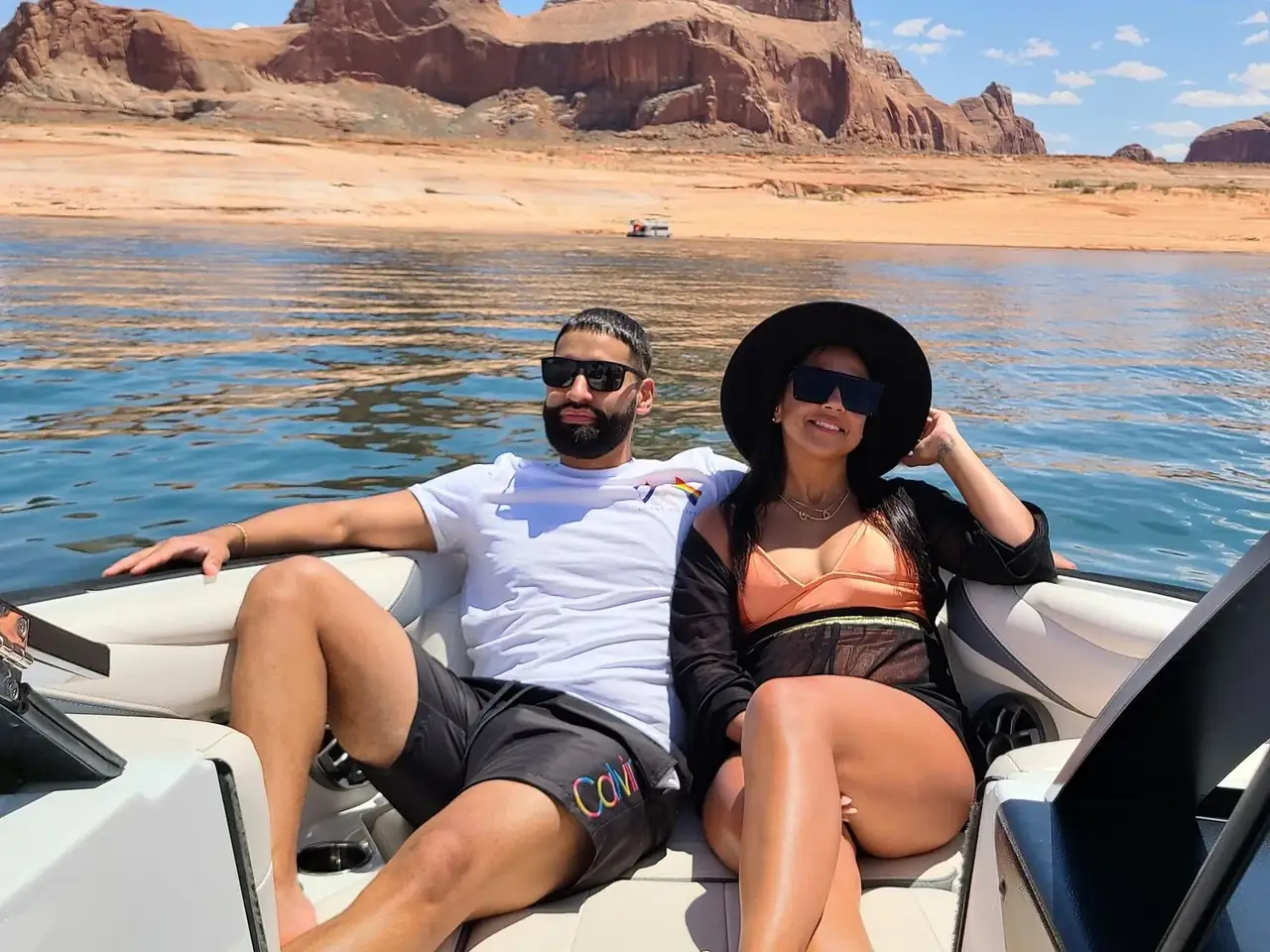
Photographers exploring the area often add the overlook at Horseshoe Bend — one of the most photographed viewpoints in the Southwest — or extend the trip with a Lake Powell photo boat for the water-level angle covered above. If you're arriving from farther out, full-day tours from Las Vegas or Sedona bundle several of these stops into one reservation. Browse live availability for these below.
What Changed — and Why
For years, Upper Antelope Canyon operators ran photography-specific departures alongside standard sightseeing tours. Those photo tours were phased out, with the last official ones running in late 2019. Alongside that change, tripods, monopods, and selfie sticks were prohibited in the canyon.
The reasoning is easy to understand once you've stood in the corridor:
- Overcrowding. Upper Antelope Canyon is narrow and enormously popular. Tripods create bottlenecks in a space where hundreds of people need to move through in sequence.
- Pace and safety. Photographers setting up long exposures stall the one-way flow, which backs up every group behind them.
- Preserving the canyon. Tripod legs dig into soft sandstone and disturb the canyon floor. Less equipment means less wear on a fragile place.
So if you see an operator advertising a "photography tour" of Upper Antelope Canyon today, read the fine print carefully. In practice it will be a standard handheld sightseeing tour, possibly with a guide who's good at photo tips — not the tripod-friendly product the name implies.
What You Can Book in Upper Antelope Canyon
A standard tour, shot handheld. That's the honest answer — and it's still worth doing, because the canyon is spectacular and modern cameras and phones handle it far better than they used to. To maximise your results: book a midday slot in beam season (roughly late March–early October, around 10:30 a.m.–1:30 p.m.) if you want the famous light shafts — full timing detail is in our best time to visit guide. Choose a clear day, since beams need direct sun. Or consider an off-peak slot if your goal is wall texture and color rather than beams — fewer people in your frame, and softer, more even light.
Where Tripods Are Still Allowed
If you genuinely need a tripod and a slower pace, you'll need to look beyond Upper and Lower Antelope Canyon. A few options still cater to photographers: Antelope Canyon X, operated separately from Upper and Lower, offers a longer, photography-oriented experience where tripods have been permitted, and it's less crowded and considerably cheaper. A small number of operators also run genuine photography tours through lesser-known private canyons like Owl, Rattlesnake, and Mountain Sheep, in far quieter settings with time to actually work a composition. At least one operator has run after-dark, astrophotography-style sessions at Upper Antelope Canyon outside standard visiting hours, with availability varying seasonally. If you're shooting professionally, running a workshop, or filming commercially, that's a different process entirely — you'll need a special-use permit through the tribal parks authority, arranged well in advance; standard tour bookings do not cover commercial work.
The trade-off with all of these: you give up Upper Antelope Canyon's specific light beams. Canyon X and the private canyons are beautiful and far more relaxed, but they're not the same corridor that produced the images that made you want to come. None of these tripod-friendly options are among the tours featured on this site — confirm current availability and policy directly with the operator you choose.
How to Shoot Upper Antelope Canyon Handheld
Handheld doesn't mean compromised. The canyon is darker than it looks in photos, but it's very workable with a bit of preparation.
Settings that work: raise your ISO without fear — modern sensors handle it well, and noise is far easier to fix than motion blur. Shoot wide open (f/2.8 or wider) to buy crucial light; depth of field matters less than you'd think when your subject is a wall a few feet away. Watch your shutter speed and keep it fast enough to stay sharp handheld. Shoot RAW, since the dynamic range between a lit beam and shadowed sandstone is extreme. And brace yourself — lean against a canyon wall, tuck your elbows in, exhale as you shoot.
Composition in a moving group: shoot upward toward the opening, where the sandstone curves and glows. Work fast and pre-set your exposure before you reach a spot rather than fiddling when you arrive. Use your guide — they know exactly where each beam lands and when, and many will even take your camera and frame the shot for you. And embrace people in frame; a silhouetted figure in a beam gives scale and drama, since fighting for an empty frame in peak season is usually a losing battle.
Phone photography: phones do remarkably well here. Use your phone's night or low-light mode, tap to expose for the brightest part of the beam rather than the shadows, and hold steady through the capture. Avoid digital zoom — move your feet instead.
What You Can't Bring
Beyond tripods and monopods, standard tours restrict what comes into the canyon at all. Generally prohibited: selfie sticks, bags and backpacks (some operators permit only small transparent bags), food, drinks other than water, umbrellas, and pets. Some operators also restrict video. Plan to carry your camera, a spare battery in a pocket, and little else — full pre-visit details are in our Upper Antelope Canyon tours guide.
Should Photographers Go to Upper or Lower?
A question worth asking before you commit. Upper gives you the light beams — the singular image you can't get anywhere else — but with the biggest crowds and the tightest pacing. Lower Antelope Canyon is a favourite of many photographers despite having no true beams: its wider top lets in softer, more even light, the sculpted shapes are exceptionally photogenic, and it's usually a bit calmer and cheaper. The same handheld-only rules apply. Canyon X and the private canyons trade the beams for space, time, and tripods.
Our Upper vs Lower comparison walks through the full decision if you're weighing the two main canyons.